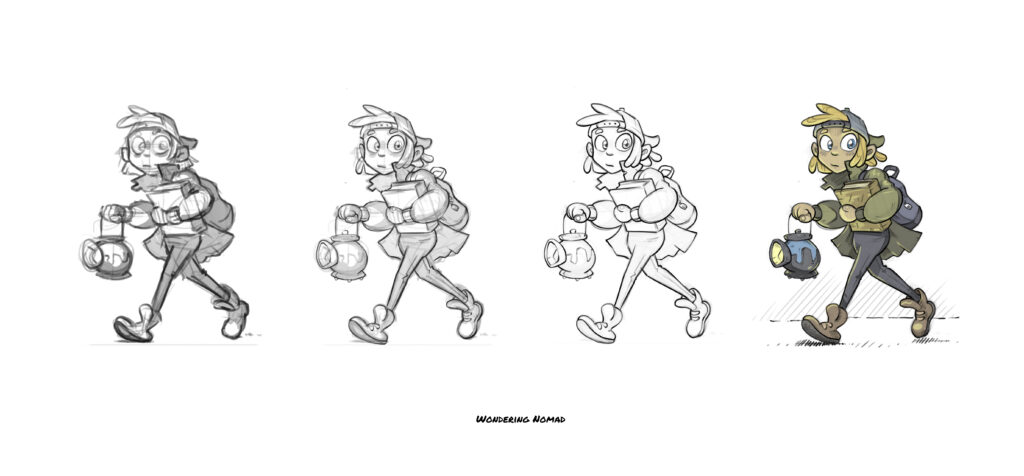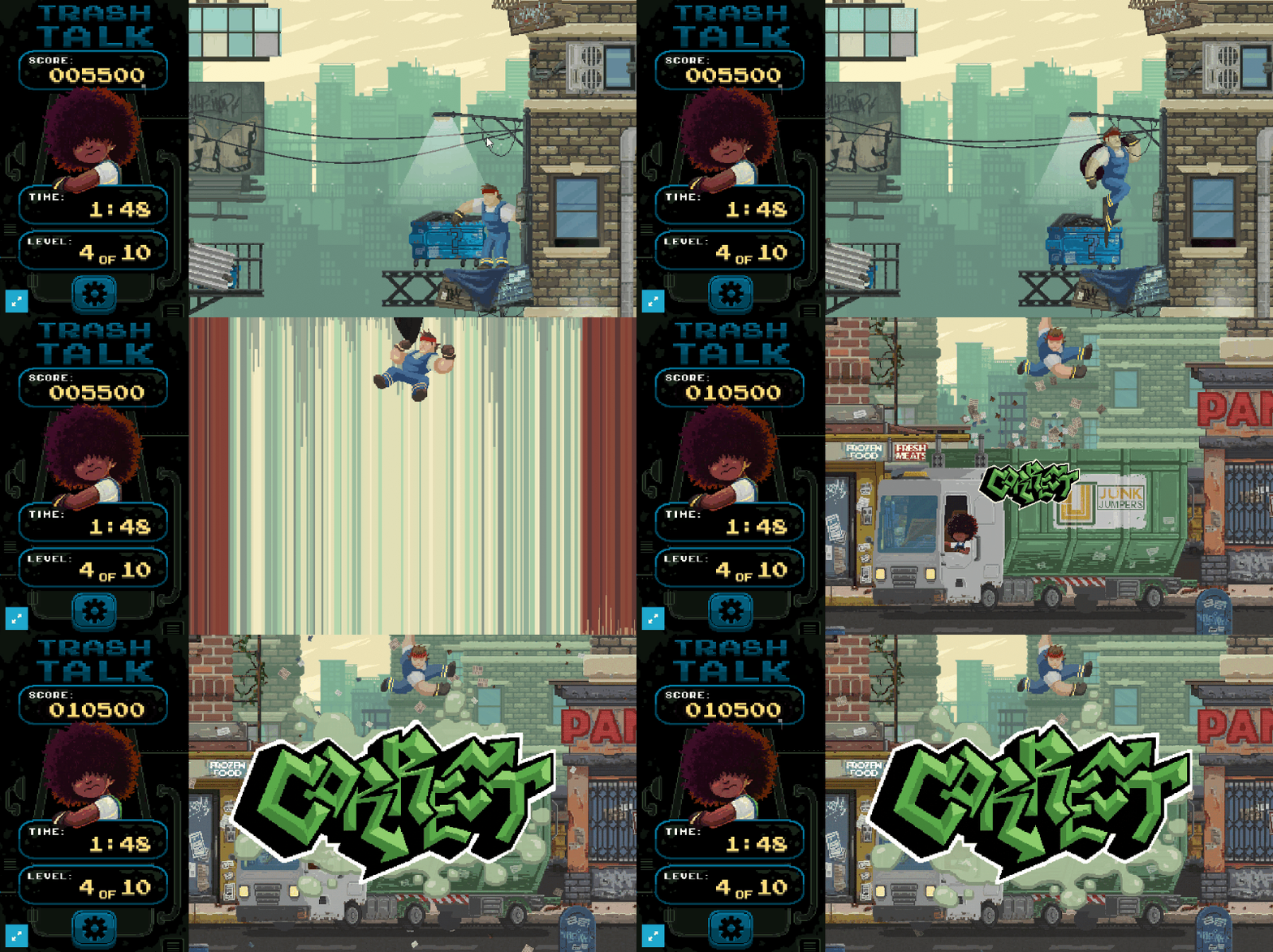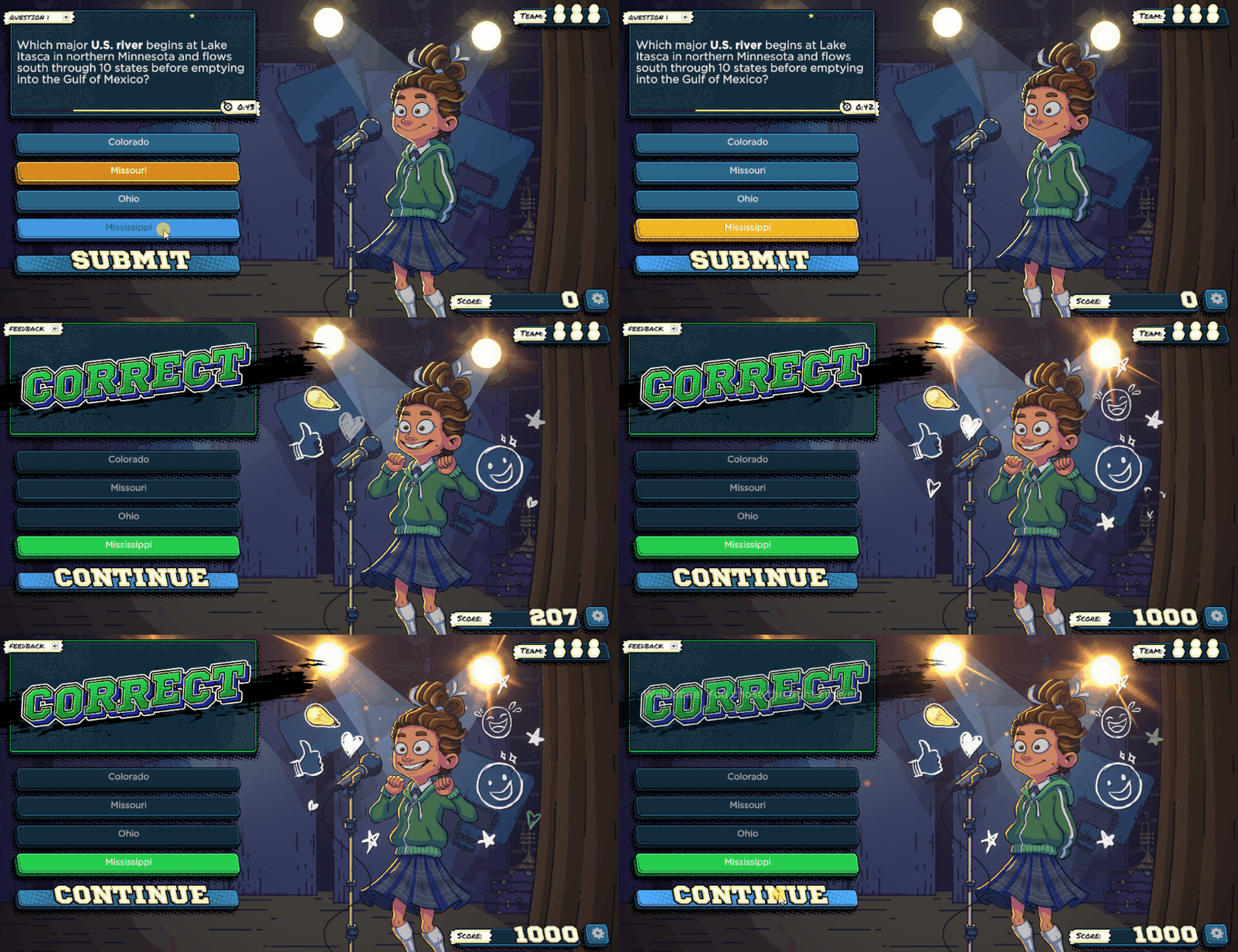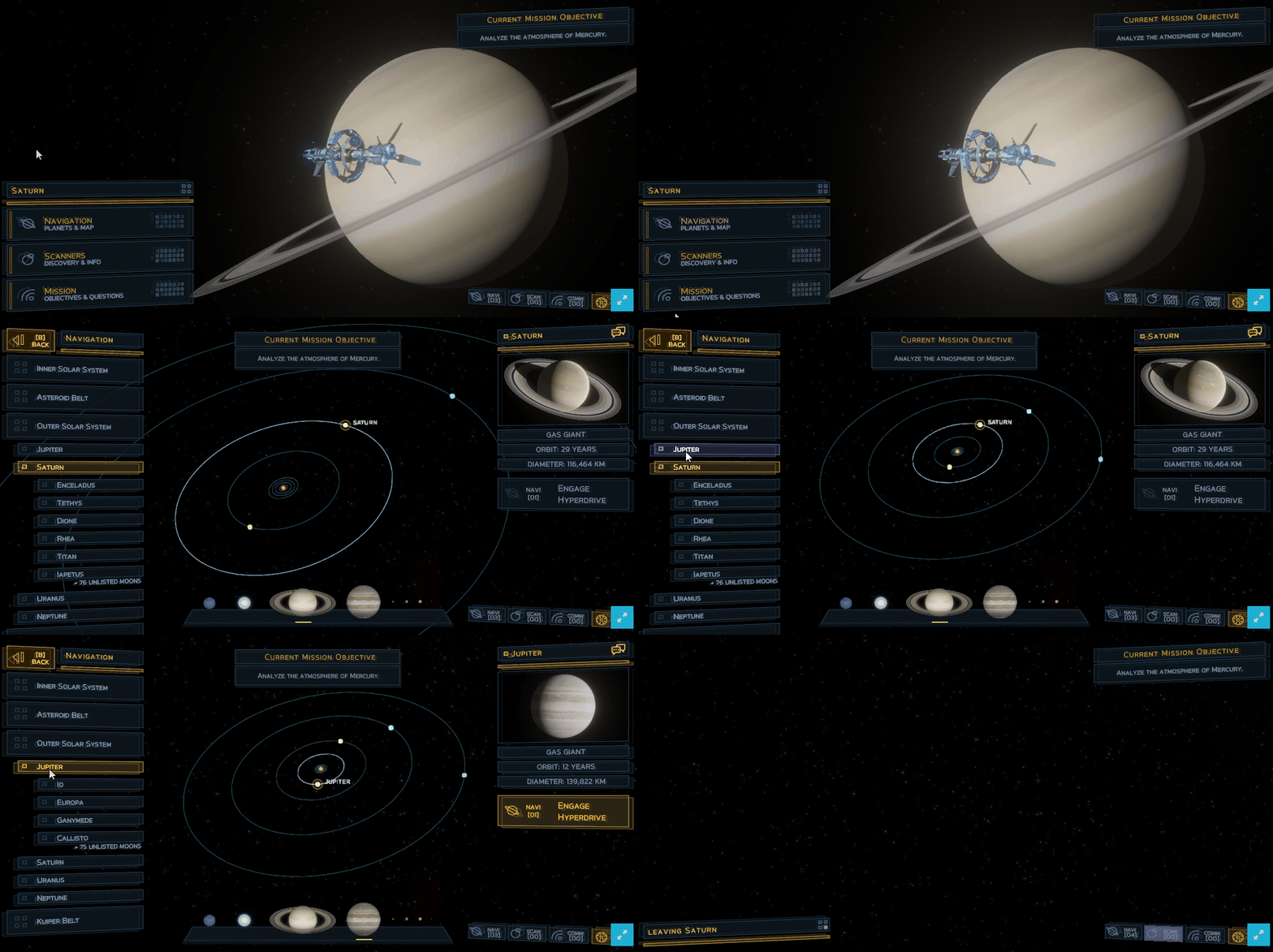
Mindrift is a 3D action game set inside a surreal mindscape where knowledge is the only weapon. The player — the Nomad — navigates a strange world guided by Edgar Allan Poe, Hypatia, Carl Sagan, and Frederick Douglass, while evading Brain Sludges and answering to the Gatekeeper: a giant, mocking owl who serves as the game’s antagonist. It’s the most ambitious thing our team ever attempted.
The Problem
Three problems at once. How do you build a modern 3D action game that runs on a Chromebook? How do you design something fun and engaging enough that students forget they’re reviewing lesson content? And how do you align a team of designers and developers who all have different ideas about what the game should feel like — without burning months on disagreements?
My Role
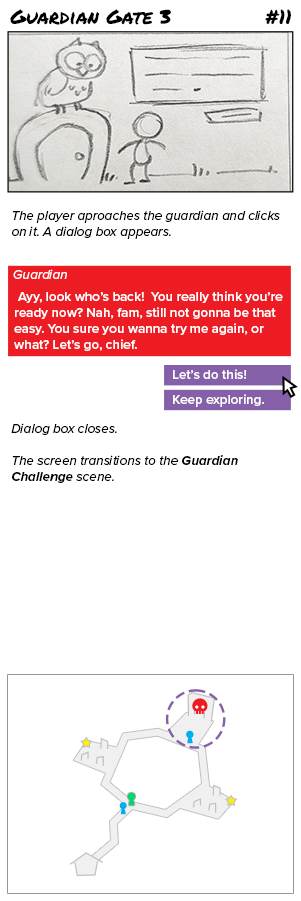
I was involved from the beginning — originating early concepts, running UX reviews, and keeping the team aligned through storyboards and mockups at every stage. Storyboards weren’t just documentation. They were a decision-making tool. Stakeholders could see how their ideas would actually work before anyone committed development time to them. It’s a good way to pressure-test an idea without shooting anybody down.
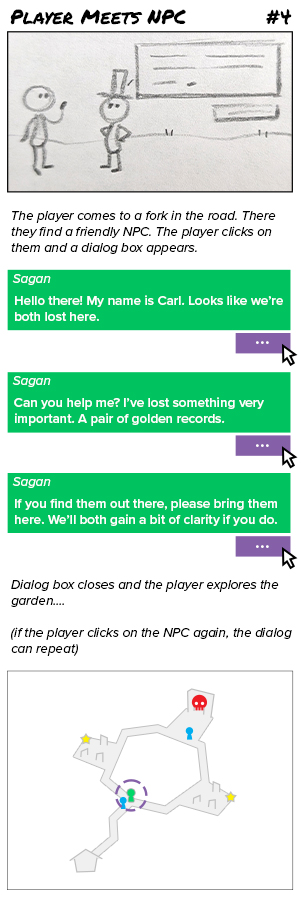
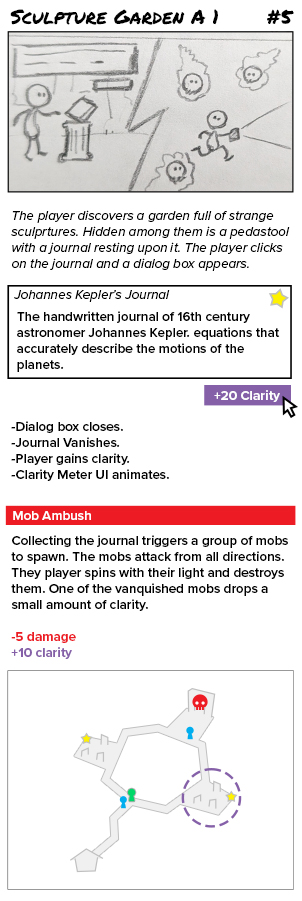
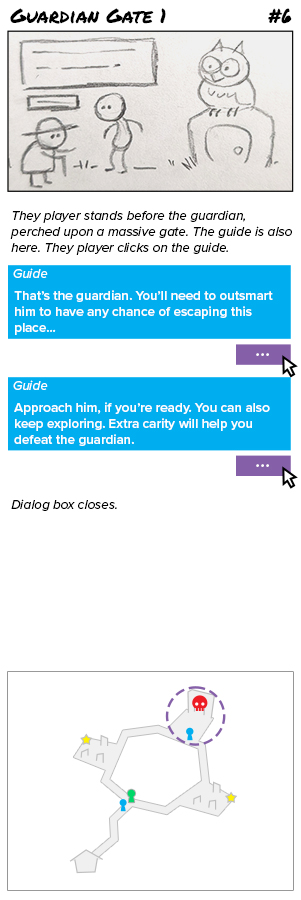
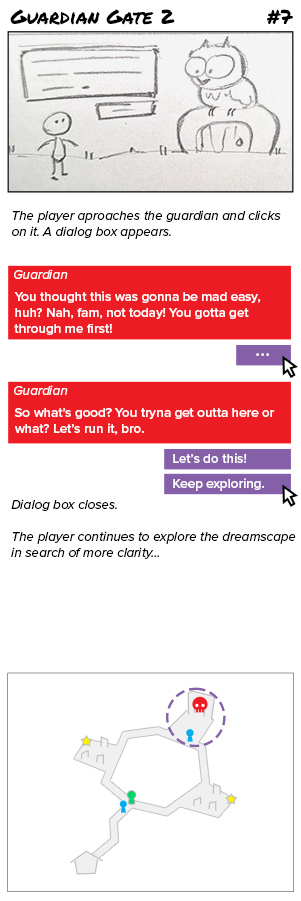
When the team couldn’t agree on game feel — how fast should the player move, how aggressive should the enemies be, too frantic, too slow — I built several playable prototypes in Unity using the developer’s in-house tools. Turned out we were more aligned than our discussions suggested. We just needed something real to point to. The prototypes settled it and we moved on.
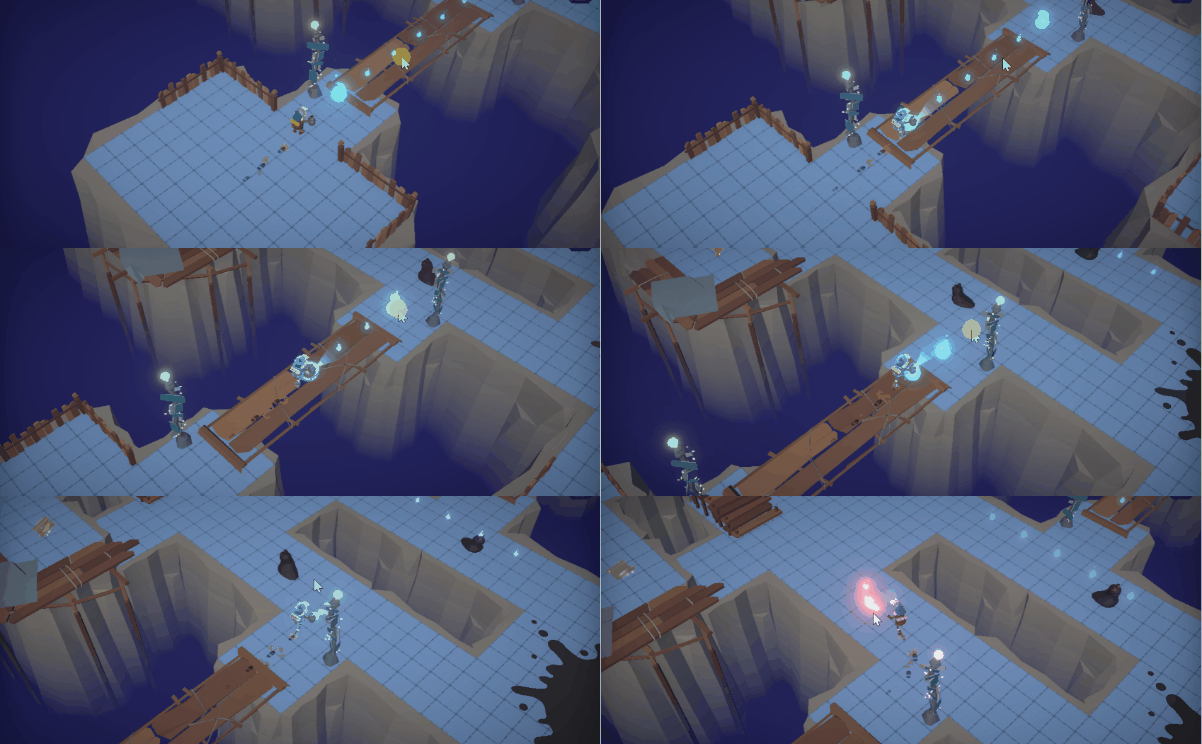
I also spearheaded research into Unity’s lighting system early in production — building demos to prove we could bake lighting into the scene rather than rendering it in real time. It was the difference between a game that looked great and one that actually ran on school hardware.
The Animation Pipeline
This is the work I’m most proud of.
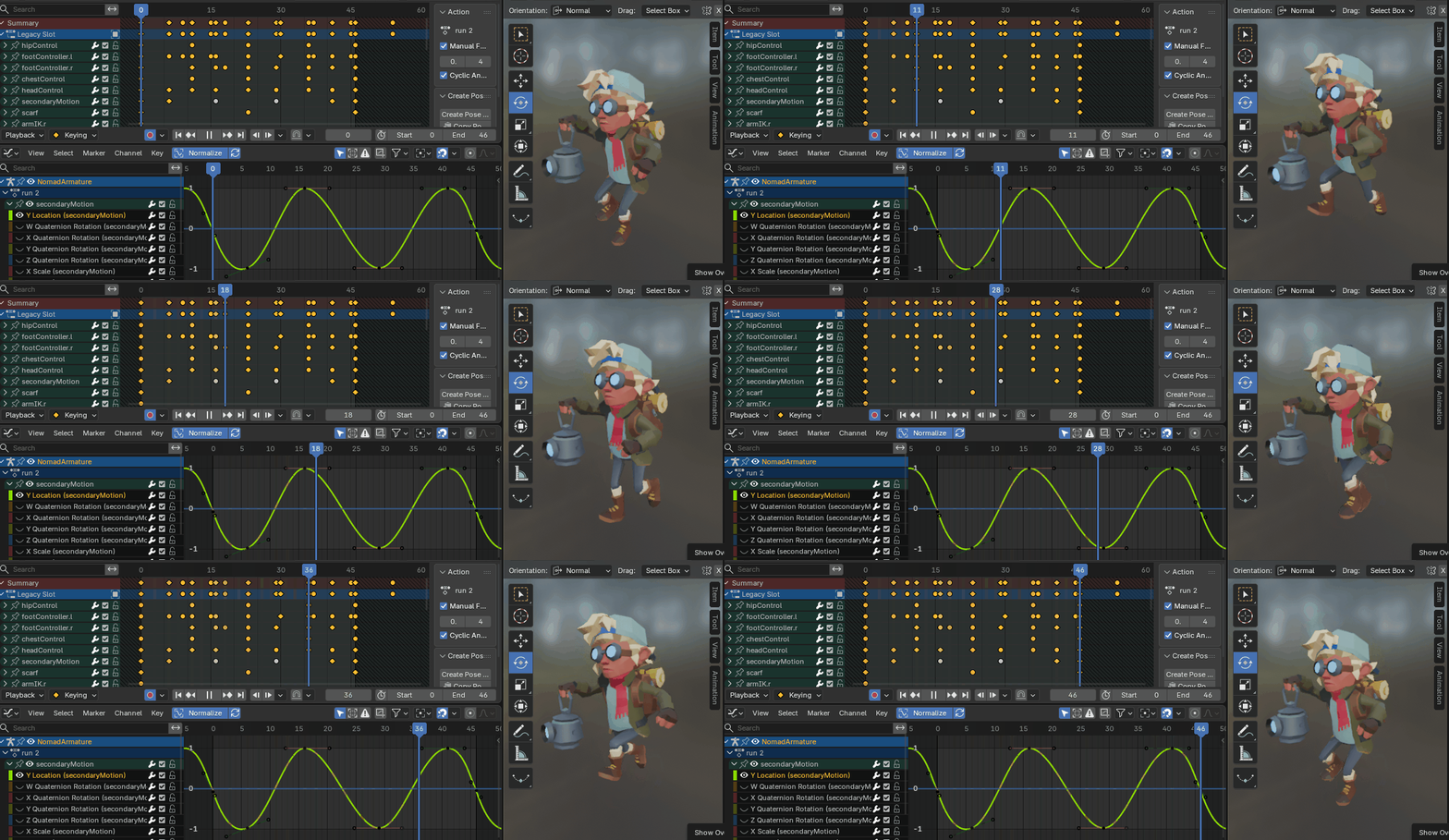
I needed to build a pipeline for taking 3D character models from our designers, rigging and animating them in Blender, and getting them working natively in Unity — cleanly, repeatably, every time. A lot of Unity developers reach for Rigify, a popular Blender plugin. After investigation I found it was more of a workaround than a real solution — useful when you understand it, but not actually a time saver.
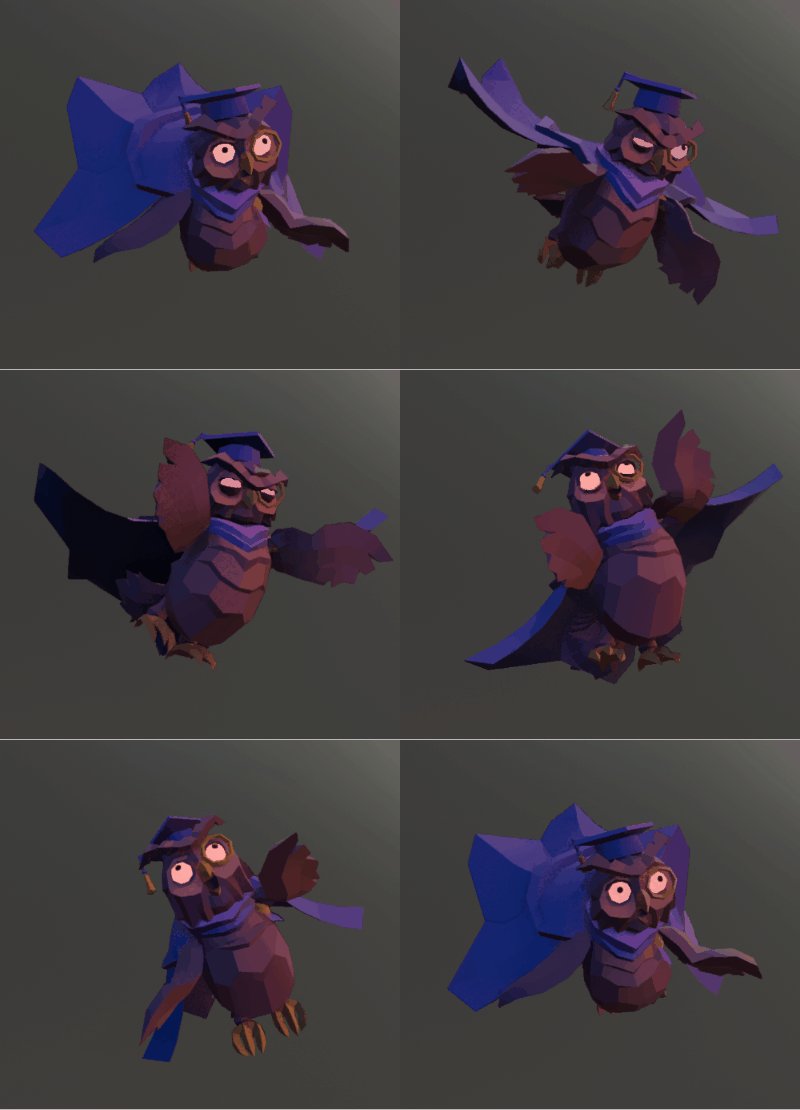
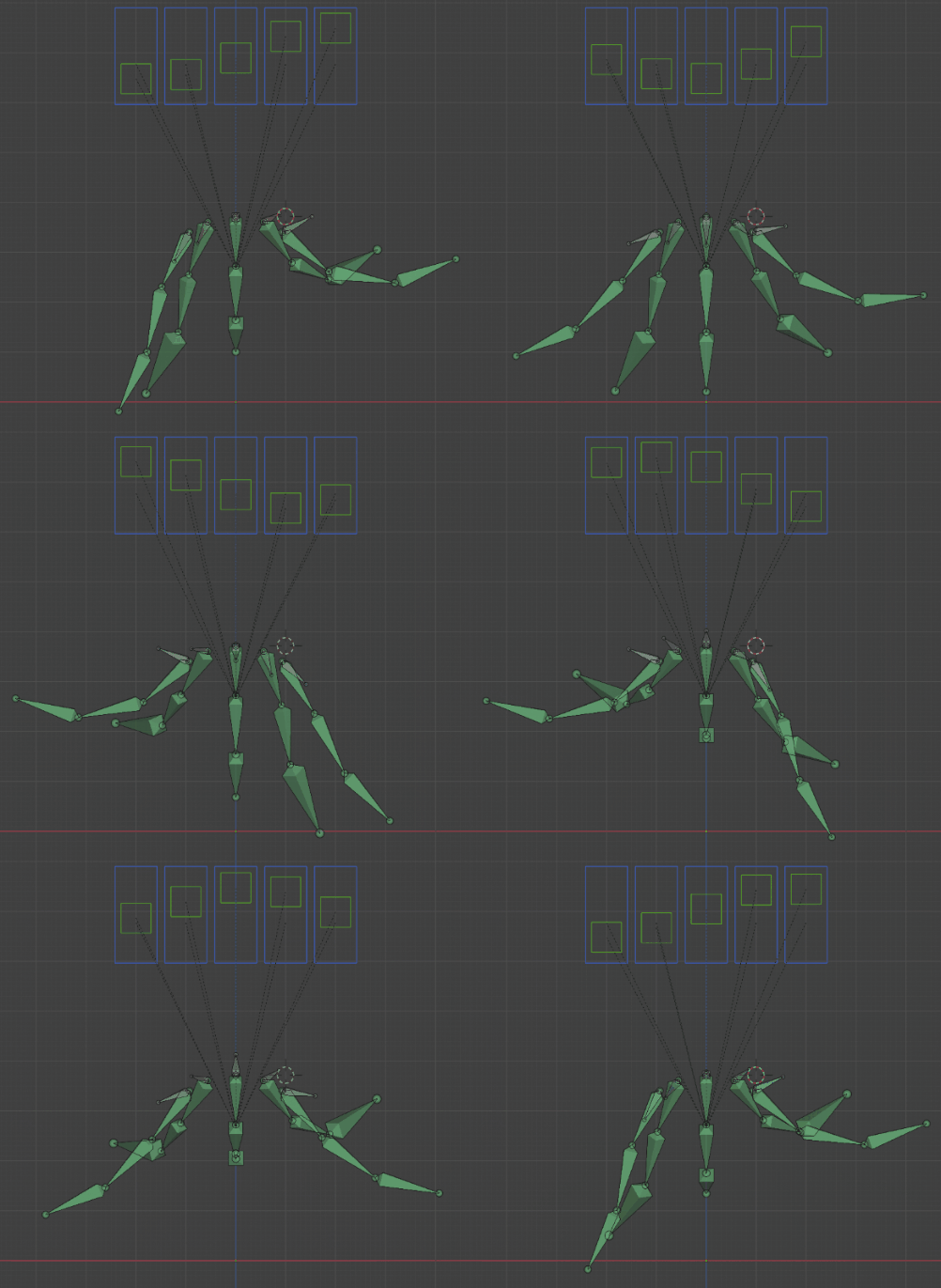
I went back to first principles. I studied exactly how Unity’s animation system works and what it requires. Built a proof of concept, confirmed the approach had legs, then built our own custom character rig from scratch — a skeleton that all human characters in the game would share. I added constraints, controllers, drivers, and custom parameters to handle IK movement, facial animation, and squash and stretch. The meta rig could be as complex and feature-rich as needed because only the deforming bones — the objects that actually move the geometry — were imported into Unity. Clean import, no baggage.
The pipeline worked across every character I threw at it.
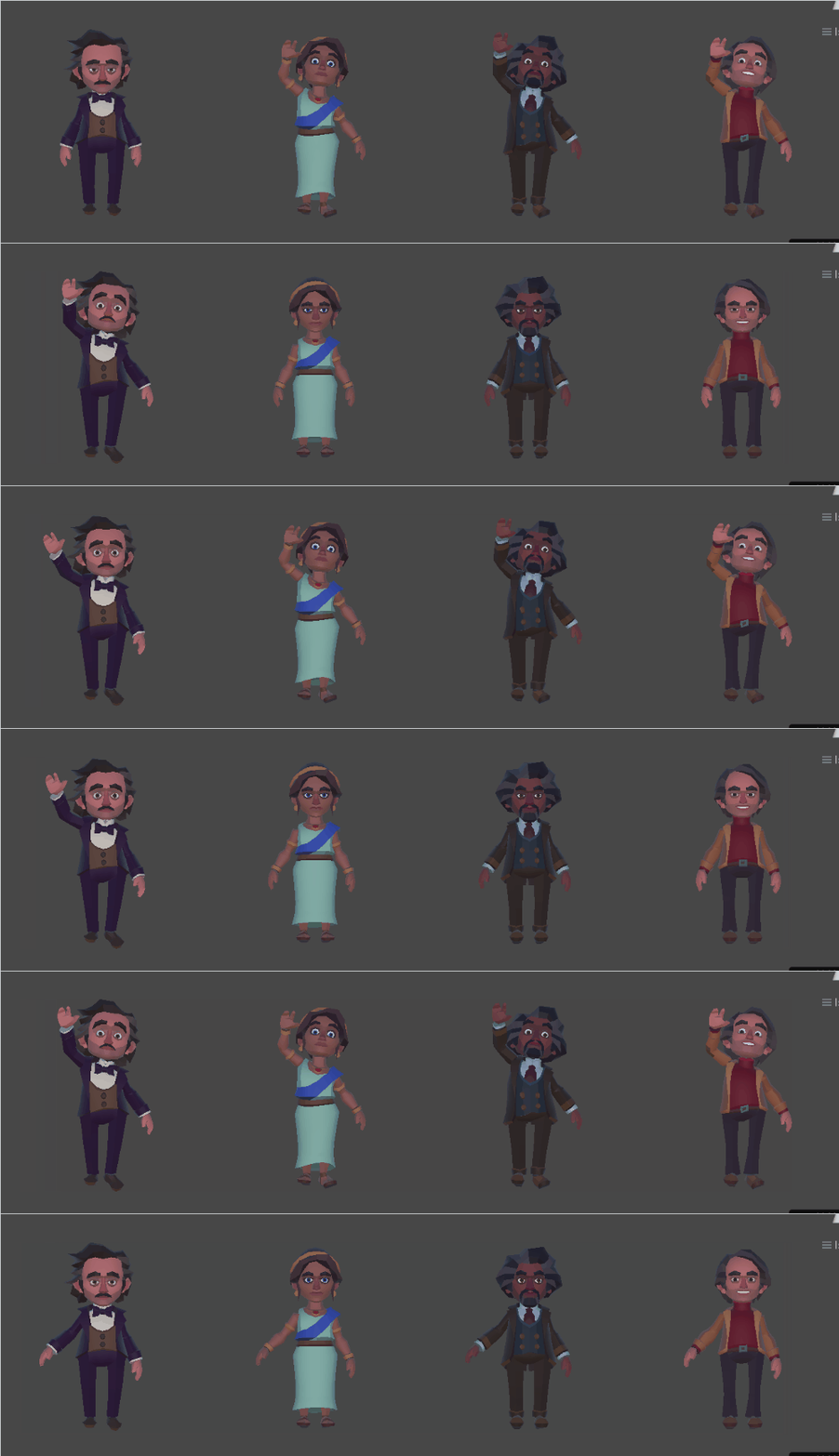
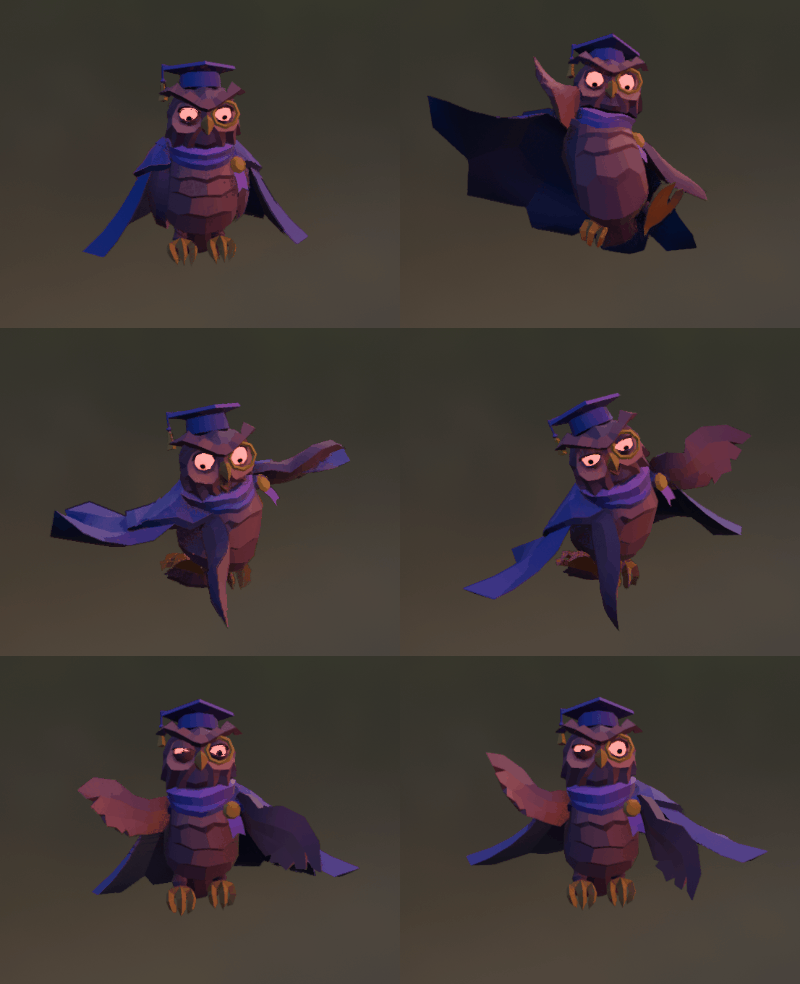
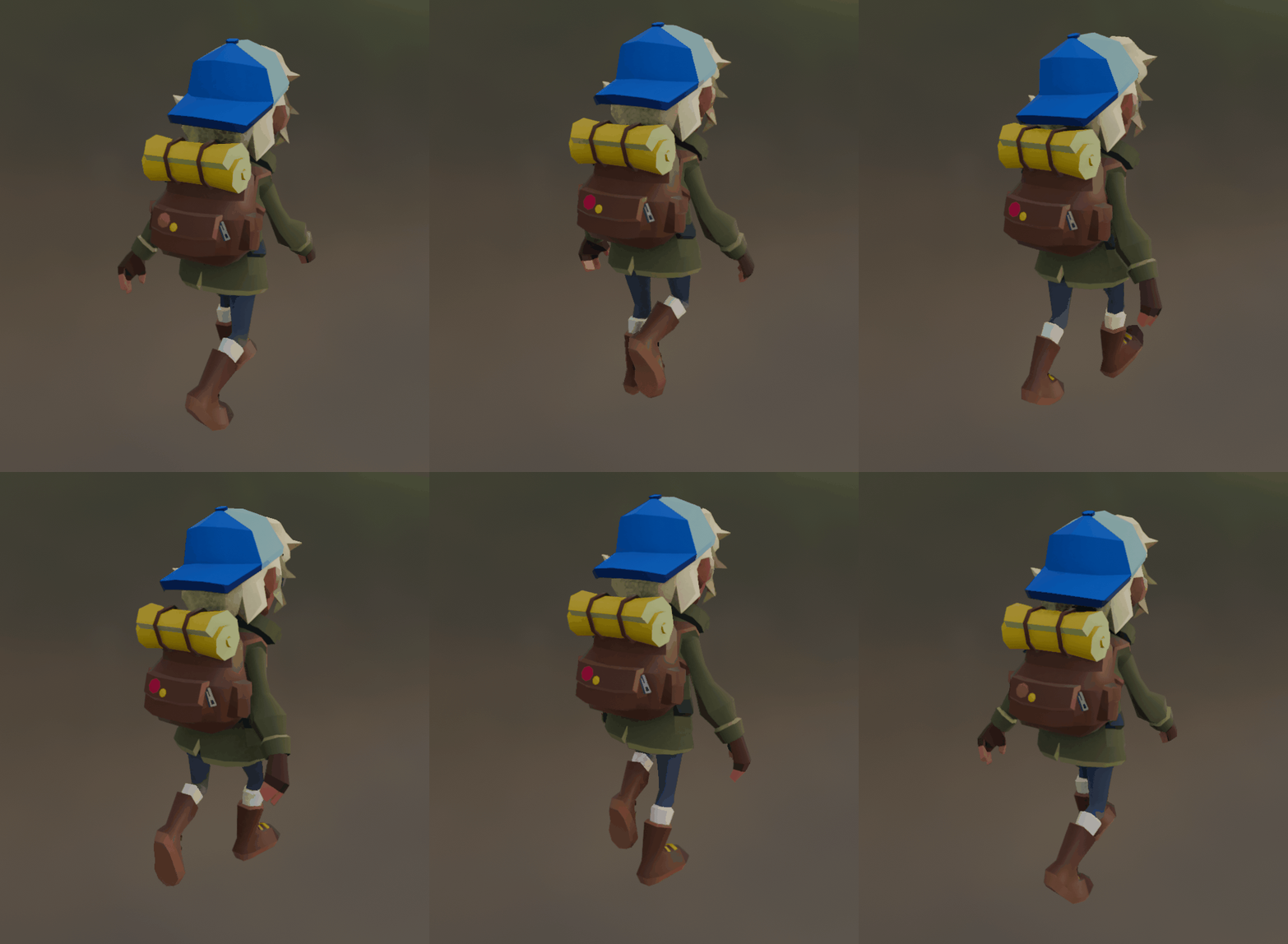
The Nomad. Edgar Allan Poe. Hypatia. Carl Sagan. Frederick Douglass. The Brain Sludge — an amorphous ooze that slithered and stretched through the environment. And the Gatekeeper — a giant owl with his own custom rig, built from the ground up.
Each one different. Each one done right.