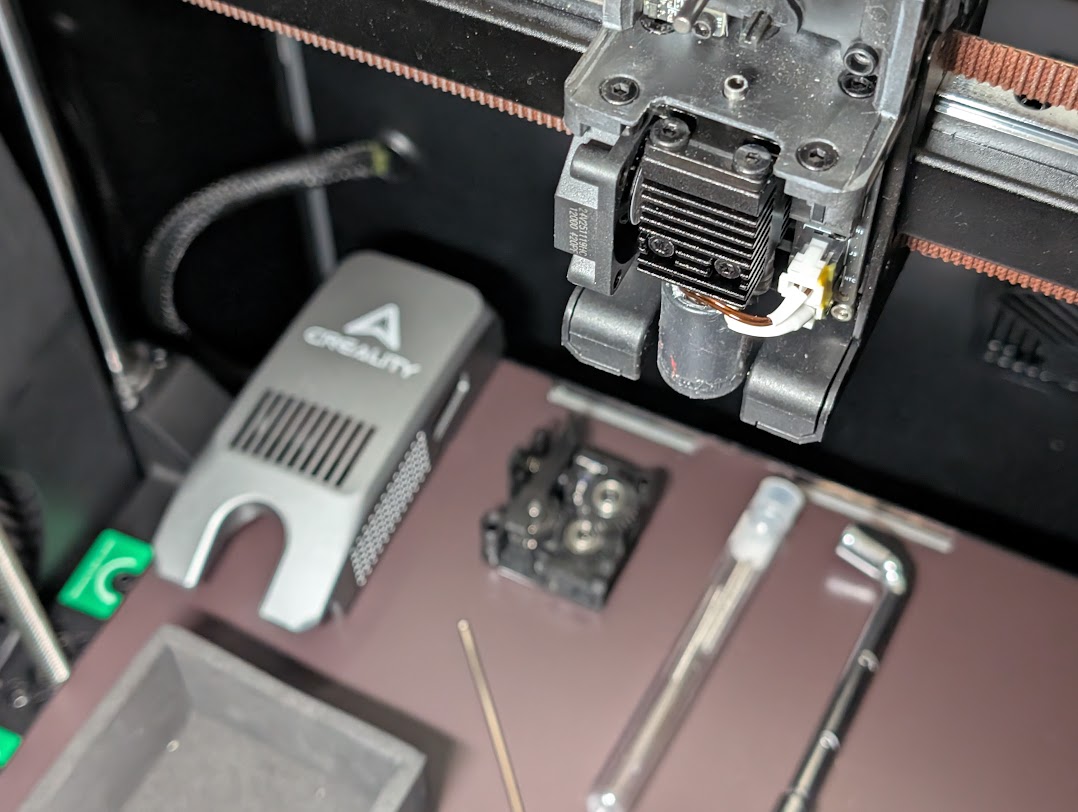
Keeping equipment in good working order is essential. Regular maintenance isn’t optional—it is one of those responsibilities that, if neglected, can create a cascade of problems throughout the entire operation.
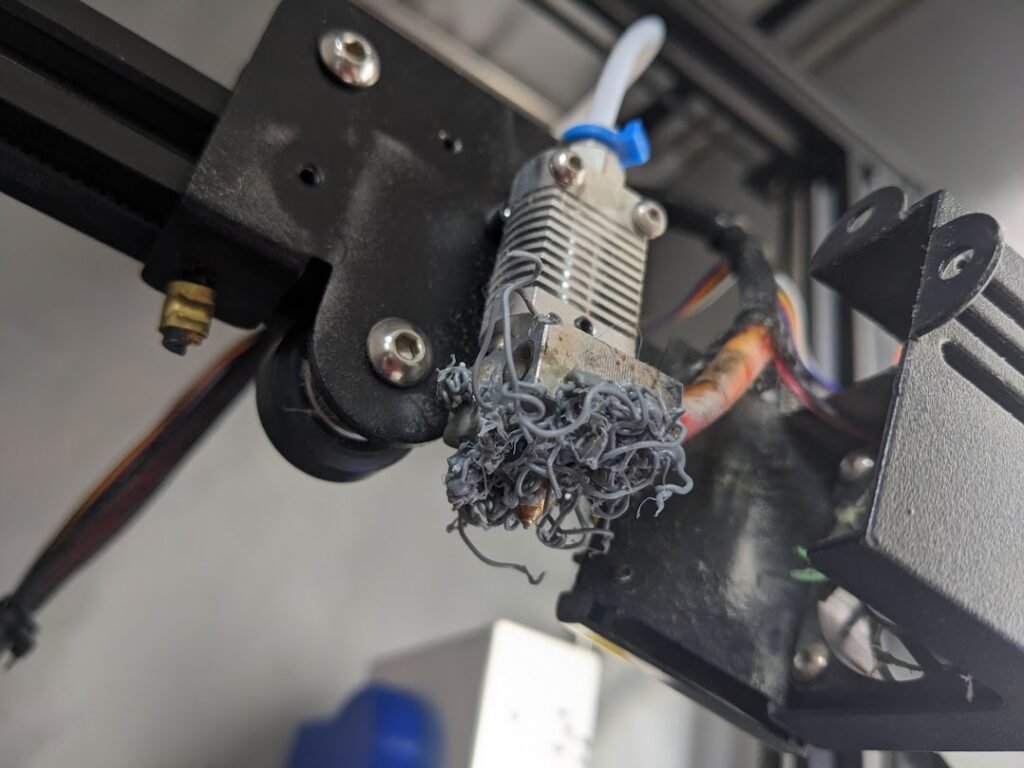
I insist that every machine delivers the same quality of output. A part printed on Machine A should be indistinguishable from a part printed on Machine B. This isn’t perfectionism; it’s about eliminating scalable inefficiencies. If I begin adjusting machine settings to compensate for worn components, I create a growing number of exceptions and edge cases that become increasingly difficult to manage. Before long, the entire process becomes a house of cards.
A well-maintained machine will tell you what’s wrong with it.
Small artifacts in a printed part often provide valuable diagnostic information. They can indicate a component that needs adjustment, replacement, or cleaning. If the same artifact appears across multiple machines, that’s a sign the issue likely exists in the print profile or product settings rather than the hardware itself.
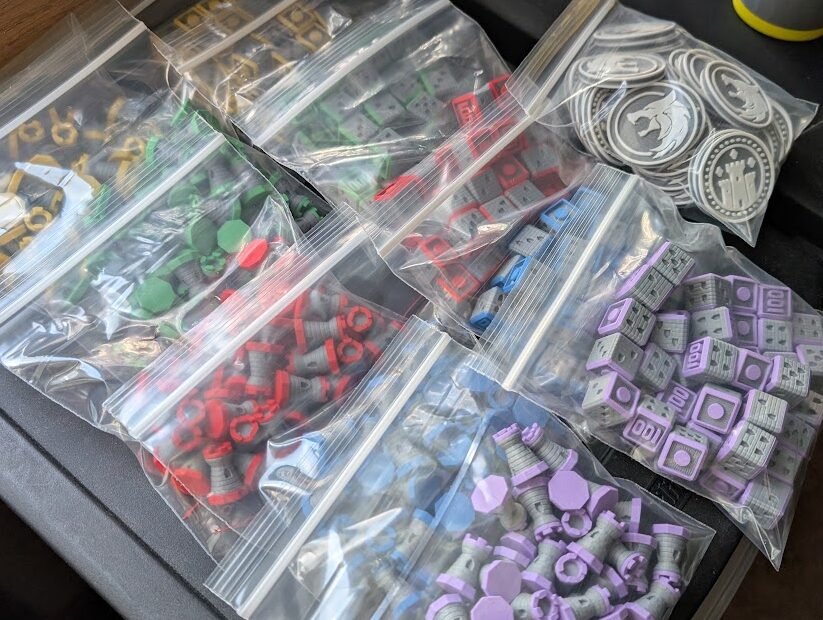
The digital side of manufacturing requires the same level of discipline. Machine profiles, material settings, and product parameters must be carefully organized, documented, and maintained. New materials undergo a full calibration process before they are ever used to fulfill a customer order.
Any machine can produce a beautiful print straight out of the box. Producing hundreds of beautiful parts after thousands of hours of operation requires something different: disciplined maintenance, standardized processes, and a commitment to continuous improvement.